Peptide Testing: Hplc & Mass Specification Pureness Guide Apex
Understanding Peptide Purity: What 99%+ Really Indicates
This front-end testimonial decreases rework and boosts the chance that the very first analytical pass will already be decision-useful. A modern-day HPLC system consists of numerous integrated components, each offering a particular feature in the splitting up and discovery procedure. Sign up with over 5,000 active members and obtain updates on new arrivals and most current laboratory records. In The KnowGet access to our catalog, new kid on the blocks, and latest lab reports.- Our mission is to sustain scientists with high-purity, validated substances that fulfill the demands of modern-day clinical research study-- nothing more, absolutely nothing much less.
- At Maxed Out Compounds, every item we supply includes a clear screening record and transparent paperwork.
- It does not turn a research compound into a medical product, and it does not replace speculative recognition in the researcher's own system.
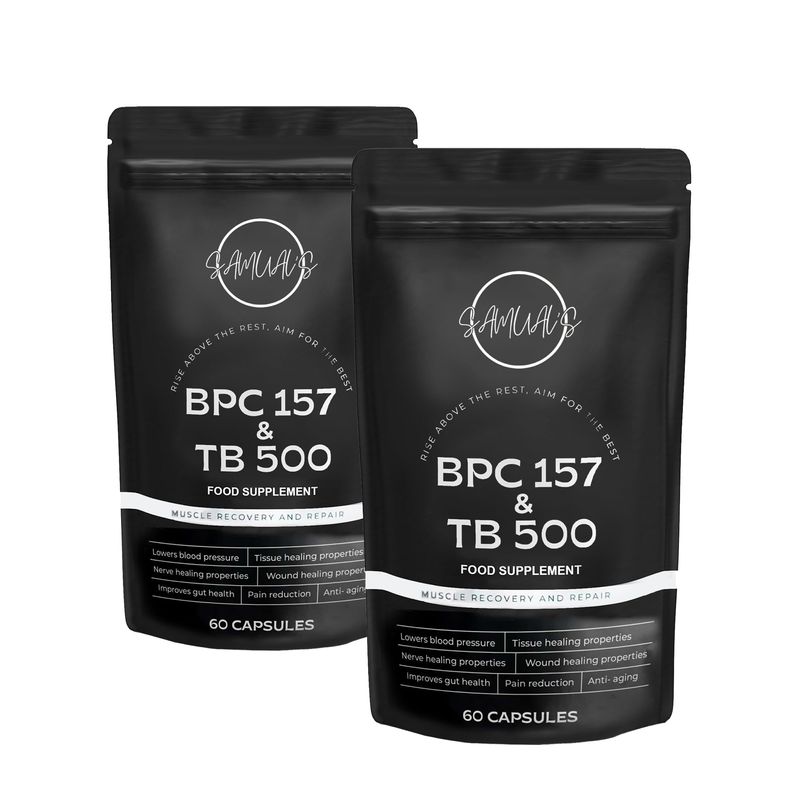
- Several peptide producers or distributors will certainly supply a COA (Certification of Analysis), for instance our bpc 157 tb 500 mix, that consists of the pureness percent by HPLC and identification confirmation by MS for every batch.
Shop Coa-verified Research Study Peptides
HPLC informs you what proportion of your example is the major substance-- yet it does not verify what that major compound in fact is. A peak with the Research Laboratories appropriate retention time might theoretically be a related peptide with comparable hydrophobicity. Mass spectrometry supplies identity verification by measuring molecular mass straight. We examine peptide size, sequence composition, expected molecular weight, modification kind, salt type, sample history, and desired downstream usage https://trentonhqcy776.northvaledigest.com/posts/top-10-peptide-companies-in-the-usa-best-ranked-suppliers-2026-overview before defining the logical path.
Either can be appropriate, however third-party screening is the gold standard for research-grade products. Recurring solvents, such as DMF, acetonitrile, or DMSO, are evaluated using gas chromatography (GC) techniques. These solvents can impact peptide performance, so precise metrology is necessary to ensure purity and stop contamination in speculative settings. Peptide stability is examined under various problems to make certain reliability during study and item advancement.
What Hplc Can Not Verify Alone
These are important in the ideal setup, however they must be taken method-specific evidence rather than a global replacement for HPLC and MS. But peptide pureness is probably the solitary essential high quality metric for any kind of research study peptide. It directly affects the dependability and reproducibility of experimental outcomes. A peptide listed at 75% purity and one at 99% pureness aren't simply various qualities-- they can create meaningfully various end results in the exact same assay.
The high quality and dependability of a peptide purity measurement rely on method criteria and paperwork quality. The mobile stage, commonly a mixture of water, acetonitrile, and an acid modifier, is stored in storage tanks and supplied with the system by a high-pressure pump. The pump preserves exact flow rates, commonly in the variety of 0.5 to 2.0 mL/min relying on the approach and column layout. High pressure compels the mobile phase with firmly loaded particles inside the column, creating sharper splittings up and greater resolution than traditional low-pressure chromatography.Conventional Pureness (≥ 95%)
If you've ever browsed a peptide directory, you have actually seen purity numbers everywhere. These numbers get sprayed so frequently that it's easy to gloss over them-- simply another specification on an item web page. Chameleon Peptides sells study substances exclusively for laboratory and logical purposes. All PRG products are planned solely for in vitro research or additional production usage. Making use of an extremely detoxified peptide reduces these threats and enhances the integrity of your information.
The gold criterion for measuring peptide purity is high-performance liquid chromatography, widely abbreviated as HPLC. If you see a pureness portion on a peptide product, it likely originated from an HPLC evaluation. This matters due to the fact that peptides are constructed one amino acid at a time via solid-phase peptide synthesis (SPPS). At each action, there's a little possibility that something goes wrong-- an amino acid does not connect, the incorrect modification occurs, or a side reaction produces an unplanned result. Over a chain of 10, 20, or 40 amino acids, those little per-step error rates substance.
In basic terms, a peptide listed as 95% pure consists mostly of the target peptide (95%), with the staying ~ 5% composed of pollutants. These contaminations can consist of points like reduced or truncated sequences, removal variants, oxidized deposits, or other small side-products from the synthesis process. Peptides are widely utilized in the medical aesthetic appeals, cosmetics, and biomedical fields due to their one-of-a-kind biological task and broad application possibility. Nonetheless, the high quality of peptide items directly affects their efficiency and security, making precise high quality screening solutions crucial.